
PE is always evolving.
New ideas emerge. New initiatives appear. New expectations are added.
Schools adapt, curricula shift, and teachers continue looking for ways to improve the experiences they provide for students.
That evolution matters. Education should move forward.
But one thing I’ve noticed from both sport and education is that progress can sometimes create noise.
When too many things compete for attention, it becomes easier to lose sight of the deeper purpose underneath it all.
𝗪𝗵𝗲𝗻 𝗶𝗺𝗽𝗿𝗼𝘃𝗲𝗺𝗲𝗻𝘁 𝘀𝘁𝗮𝗿𝘁𝘀 𝘁𝗼 𝗳𝗲𝗲𝗹 𝗰𝗼𝗺𝗽𝗹𝗶𝗰𝗮𝘁𝗲𝗱
In performance sport, there were periods where training became overloaded.
New drills. New methods. New data. New technical focuses.
A lot of it sounded useful, and much of it probably was.
But sometimes, performance actually improved when we simplified things again.
When we returned to fundamentals.
When we became clearer about what really mattered.
When every part of training connected back to the bigger purpose.
That experience has made me think a lot about PE.
Schools are constantly being presented with new approaches, new priorities, and new ways of thinking about physical education.
Many of these ideas can be incredibly valuable.
But there is also a risk that, in trying to include everything, the meaning of the subject becomes less clear.
𝗧𝗵𝗲 𝗲𝘀𝘀𝗲𝗻𝗰𝗲 𝗼𝗳 𝗣𝗘
At its heart, PE is not really about activities.
It is about helping young people experience improvement through movement.
It is about helping them build confidence, resilience, self-awareness, and the belief that they are capable of getting better at something difficult.
Sport, games, fitness, and challenges are all vehicles for that deeper experience.
And when students feel genuine progress, physically, socially, or emotionally, PE becomes far more than a lesson on the timetable.
That is the part that matters most.
𝗧𝗵𝗲 𝗼𝗽𝗽𝗼𝗿𝘁𝘂𝗻𝗶𝘁𝘆 𝗶𝗻 𝘁𝗵𝗲 𝗻𝗲𝘅𝘁 𝘀𝘁𝗲𝗽
The opportunity is not to resist change or reject new ideas.
It is to stay connected to the purpose underneath them.
Before introducing something new, perhaps the question is:
Does this strengthen the core experience we want students to have?
Does it help students feel progress more clearly?
Does it deepen confidence?
Does it create more meaningful learning?
If the answer is yes, then it probably has value.
If not, there may be wisdom in keeping things simpler.
𝗞𝗲𝗲𝗽𝗶𝗻𝗴 𝘁𝗵𝗲 𝗺𝗲𝗮𝗻𝗶𝗻𝗴 𝗶𝗻𝘁𝗮𝗰𝘁
One thing I’ve learned from sport is that the best environments are not always the most complex.
They are often the clearest.
The fundamentals are reinforced consistently.
The purpose stays visible.
I think PE can benefit from the same clarity.
Not by standing still, but by making sure that progress never pulls us away from the essence of what we are trying to achieve.
Contributors
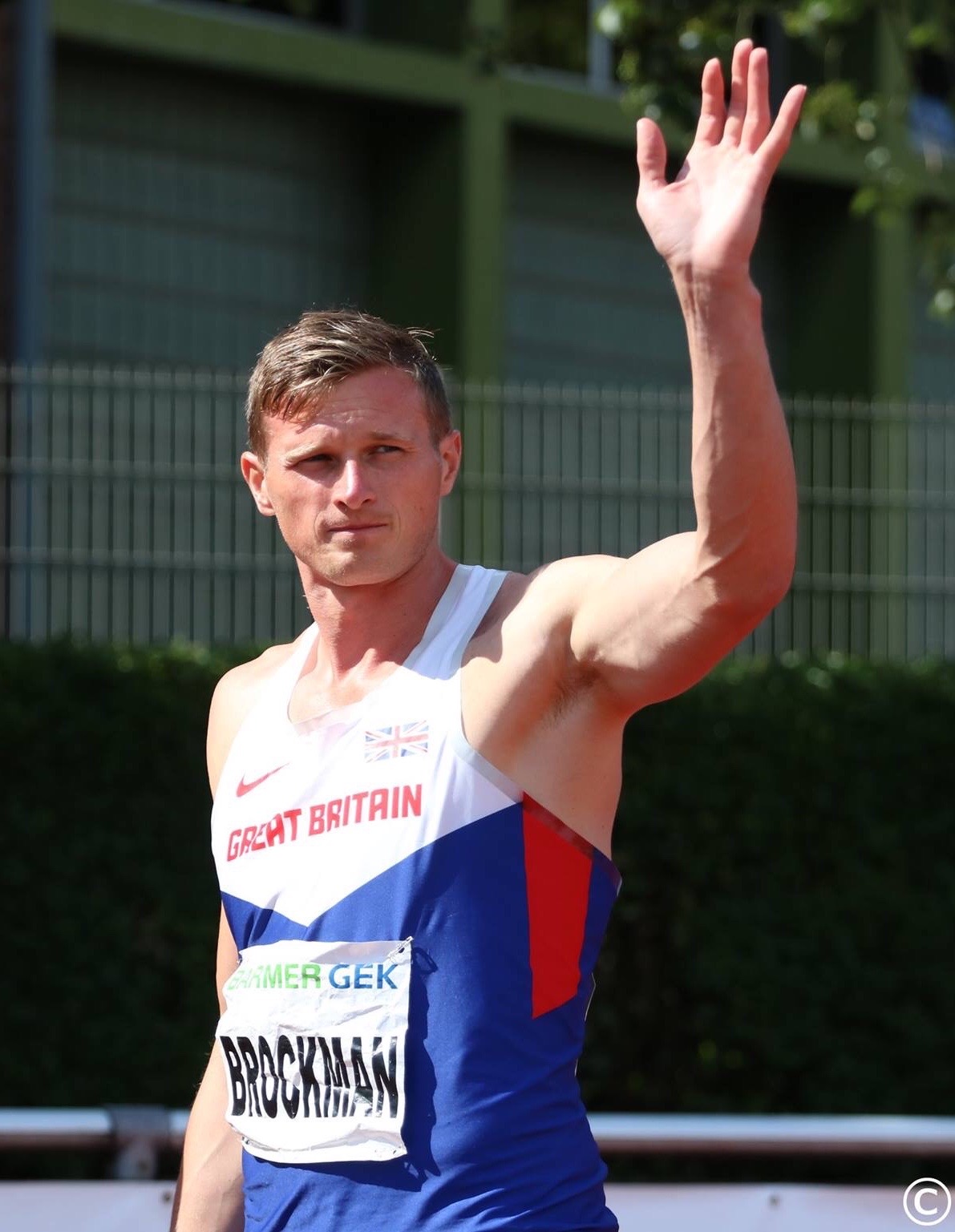
Martin Brockman
Director of Performance Pathways
Martin Brockman represented Great Britain in the decathlon for almost a decade, achieving a bronze medal at the Commonwealth Games in Dehli, 2010. On retiring from his international career, he moved to the world-leading Aspire Academy in Qatar as the Head of Athlete Development where he designed and implemented the academy athletics program from talent identification through to international athletics.
Athletics
Specialisms
Share this post


Get fresh insights and articles straight to your inbox
By subscribing you agree to our privacy policy.
Comments
You must be signed in to comment