
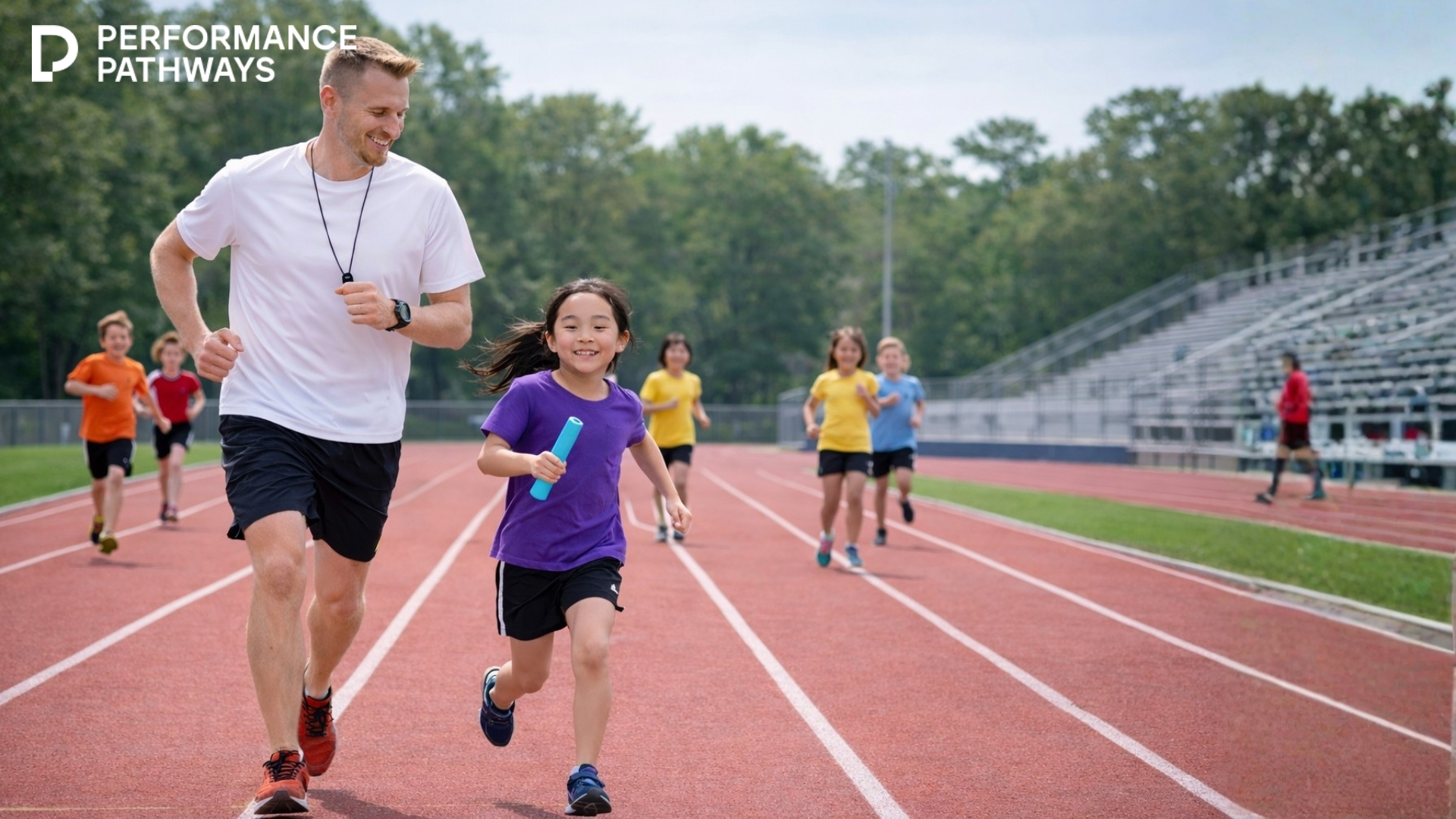
𝗧𝗵𝗲 𝗢𝗽𝗽𝗼𝗿𝘁𝘂𝗻𝗶𝘁𝘆 𝘁𝗼 𝗕𝘂𝗶𝗹𝗱 𝗟𝗶𝗳𝗲𝗹𝗼𝗻𝗴 𝗠𝗼𝘃𝗲𝗿𝘀, 𝗡𝗼𝘁 𝗝𝘂𝘀𝘁 𝗦𝗰𝗵𝗼𝗼𝗹 𝗣𝗮𝗿𝘁𝗶𝗰𝗶𝗽𝗮𝗻𝘁𝘀
Most PE lessons are designed around the here and now.
The next fixture.
The next unit.
The next assessment.
The next lesson.
Students participate. They engage. They move.
But the real opportunity in PE stretches far beyond the school gates.
Because one day, every student will leave your lesson for the last time.
And what they carry with them will determine whether movement remains part of their life or something they leave behind with their school uniform.
𝗧𝗵𝗲 𝗗𝗶𝗳𝗳𝗲𝗿𝗲𝗻𝗰𝗲 𝗕𝗲𝘁𝘄𝗲𝗲𝗻 𝗣𝗮𝗿𝘁𝗶𝗰𝗶𝗽𝗮𝘁𝗶𝗼𝗻 𝗮𝗻𝗱 𝗥𝗲𝗹𝗮𝘁𝗶𝗼𝗻𝘀𝗵𝗶𝗽
Participation is temporary.
It is structured.
Timetabled.
Supervised.
A relationship with movement is something different.
It is personal.
It is chosen.
It is self driven.
And most importantly, it lasts.
The opportunity for PE teachers is not simply to deliver activity.
It is to help students build a positive relationship with movement, rooted in competence, confidence and self belief.
When students feel capable, they are more likely to continue.
When they experience progress, they are more likely to persist.
When they feel ownership, they are more likely to choose movement later in life.
This is where PE’s long term power truly lies.
𝗪𝗵𝗮𝘁 𝗘𝘅𝗽𝗲𝗿𝗶𝗲𝗻𝗰𝗲 𝗧𝗲𝗮𝗰𝗵𝗲𝘀 𝗨𝘀
As a decathlete, my relationship with training did not come from talent alone.
It came from mastering fundamentals and experiencing improvement over time.
Growth created enjoyment.
Enjoyment created commitment.
If training had only ever been about comparison or pressure, it would not have lasted.
The same is true for our students.
If PE is built only around competition, short term units or external reward, engagement may be high in the moment but fragile over time.
But when PE builds competence and autonomy, something deeper begins to form.
A belief that:
“I can move well.”
“I know how to improve.”
𝗧𝗵𝗲 𝗢𝗽𝗽𝗼𝗿𝘁𝘂𝗻𝗶𝘁𝘆 𝗜𝗻 𝗘𝘃𝗲𝗿𝘆 𝗟𝗲𝘀𝘀𝗼𝗻
Every PE lesson is an opportunity to shape how a student feels about movement.
When we:
• Teach fundamentals clearly
• Make progress visible
• Celebrate effort as much as outcome
• Allow students to reflect on improvement
we are doing more than improving skill.
We are strengthening identity.
Students begin to see themselves as capable movers.
And that identity often stays long after school ends.
𝗧𝗵𝗶𝗻𝗸𝗶𝗻𝗴 𝗕𝗲𝘆𝗼𝗻𝗱 𝘁𝗵𝗲 𝗧𝗶𝗺𝗲𝘁𝗮𝗯𝗹𝗲
It is easy to measure success through short term indicators.
Effort in class.
Participation rates.
Performance in fixtures.
But a more powerful question might be this.
Will this student still feel confident stepping into a gym, a park, or a sports club five years from now?
Contributors
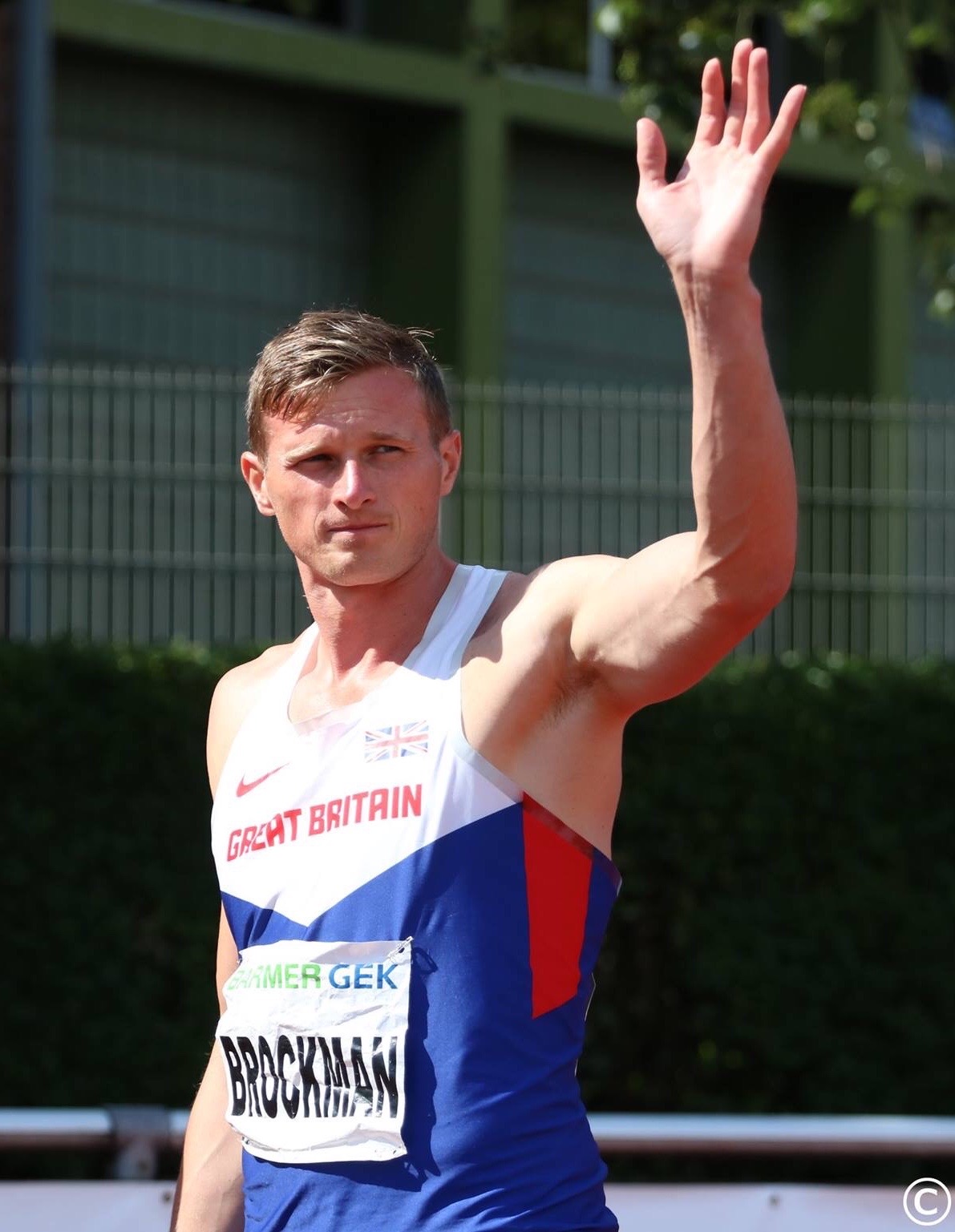
Martin Brockman
Director of Performance Pathways
Martin Brockman is Director of Brockman Athletics, providing teacher training and track and field teaching resources for schools around the world. Representing Great Britain in the decathlon for almost a decade, Martin achieved a bronze medal at the Commonwealth Games in Dehli, 2010. On retiring from his international career, he moved to the world-leading Aspire Academy in Qatar as the Head of Athlete Development where he designed and implemented the academy athletics program from talent identification through to international athletics.
Athletics
Specialisms
Share this post


Get fresh insights and articles straight to your inbox
By subscribing you agree to our privacy policy.
Comments
You must be signed in to comment