
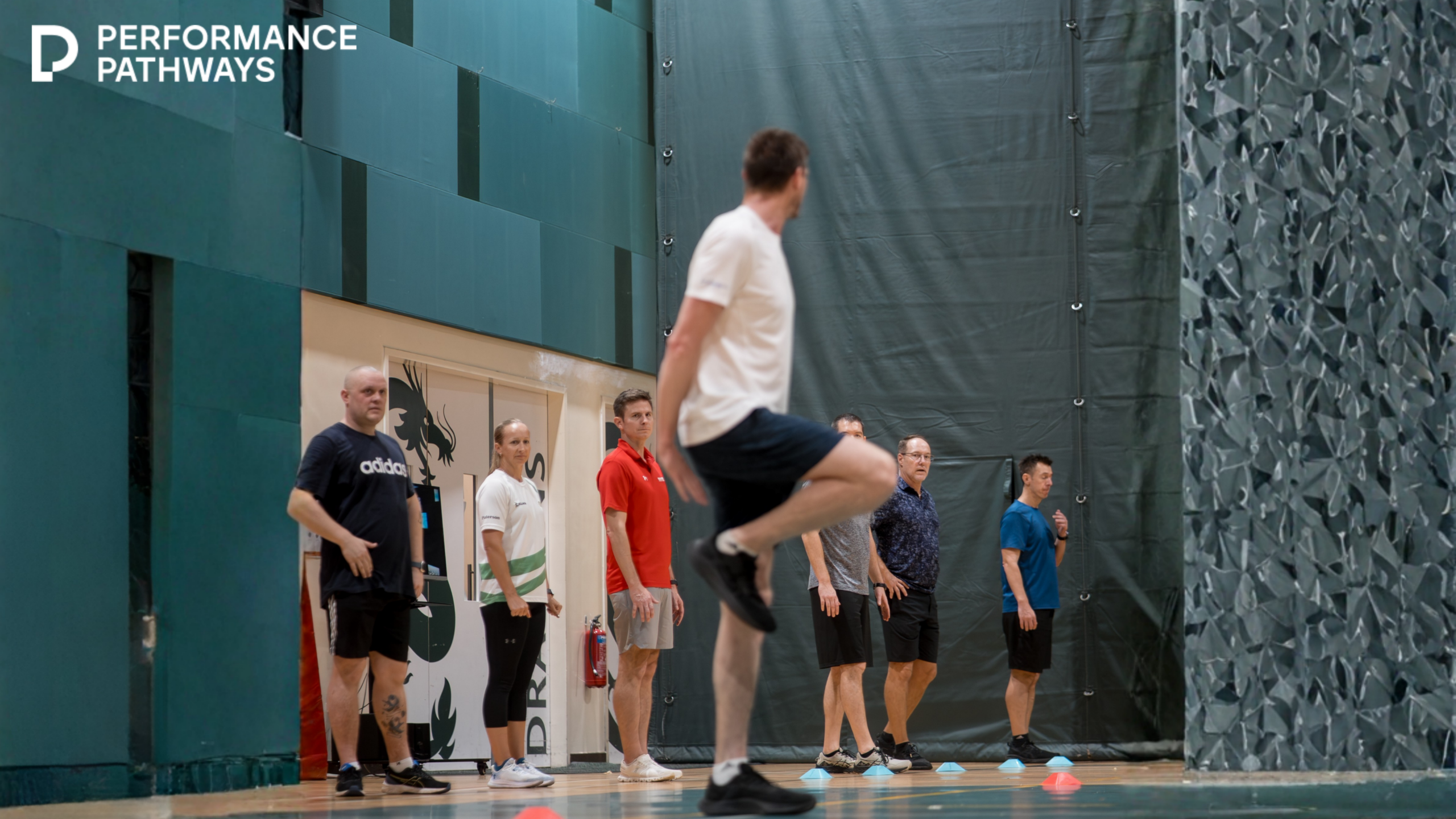
In most PE lessons, there are moments that pass quickly but matter more than they seem.
A student who lands more balanced than last time. A better decision in a game. A quieter student speaking up.
They are easy to miss, especially in a busy lesson. But in sport, those moments are often where progress really begins.
𝗧𝗵𝗲 𝗢𝗽𝗽𝗼𝗿𝘁𝘂𝗻𝗶𝘁𝘆 𝗶𝗻 𝗪𝗵𝗮𝘁’𝘀 𝗔𝗹𝗿𝗲𝗮𝗱𝘆 𝗛𝗮𝗽𝗽𝗲𝗻𝗶𝗻𝗴
As an athlete, improvement rarely came in big jumps. It came in small changes. A slightly better take-off, a cleaner rhythm, or a movement that felt just a bit more controlled than before.
Those moments did not always look impressive from the outside. But they told you something important: 𝗽𝗿𝗼𝗴𝗿𝗲𝘀𝘀 𝘄𝗮𝘀 𝗵𝗮𝗽𝗽𝗲𝗻𝗶𝗻𝗴.
The key was not just noticing them. It was using them.
In the next session, that small improvement became the starting point. It shaped the focus and gave direction to what came next.
That feels relevant in PE. There is often more progress happening in a lesson than we realise. The opportunity is not just to see it, but to build from it.
𝗪𝗵𝗲𝗻 𝗦𝗺𝗮𝗹𝗹 𝗪𝗶𝗻𝘀 𝗚𝗲𝘁 𝗟𝗼𝘀𝘁
It is easy for those moments to disappear. The lesson moves on. The next activity begins. The focus shifts.
Students may not even recognise that they have improved.
And when progress is not noticed, it does not always register. Effort feels less meaningful. Improvement feels uncertain.
Over time, those small wins lose their impact.
𝗨𝘀𝗶𝗻𝗴 𝗦𝗺𝗮𝗹𝗹 𝗪𝗶𝗻𝘀 𝗮𝘀 𝘁𝗵𝗲 𝗡𝗲𝘅𝘁 𝗦𝘁𝗲𝗽
One of the simplest next steps in teaching is to take something that went slightly better and make it the focus of what comes next.
If a student has improved their balance, the next lesson might revisit that with a little more challenge.
If decision-making improved in a game, that becomes the focus to build on.
If communication was stronger, it becomes something to reinforce.
This does not require a new plan. It is a shift in attention.
Instead of asking, 𝗪𝗵𝗮𝘁 𝘀𝗵𝗼𝘂𝗹𝗱 𝗜 𝘁𝗲𝗮𝗰𝗵 𝗻𝗲𝘅𝘁?
It becomes, 𝗪𝗵𝗮𝘁 𝗱𝗶𝗱 𝗜 𝘀𝗲𝗲 𝗶𝗺𝗽𝗿𝗼𝘃𝗲, 𝗮𝗻𝗱 𝗵𝗼𝘄 𝗰𝗮𝗻 𝗜 𝗯𝘂𝗶𝗹𝗱 𝗼𝗻 𝗶𝘁?
𝗪𝗵𝘆 𝗧𝗵𝗶𝘀 𝗛𝗲𝗹𝗽𝘀
When lessons are shaped by small wins, progress starts to feel connected.
Students begin to recognise that improvement is not random. They see that what they did last lesson matters for this one. They feel that effort leads somewhere.
For teachers, it creates a clearer way to move learning forward without always needing to add more.
Sometimes the next step is already there. It just needs to be noticed, named, and built on.
Contributors
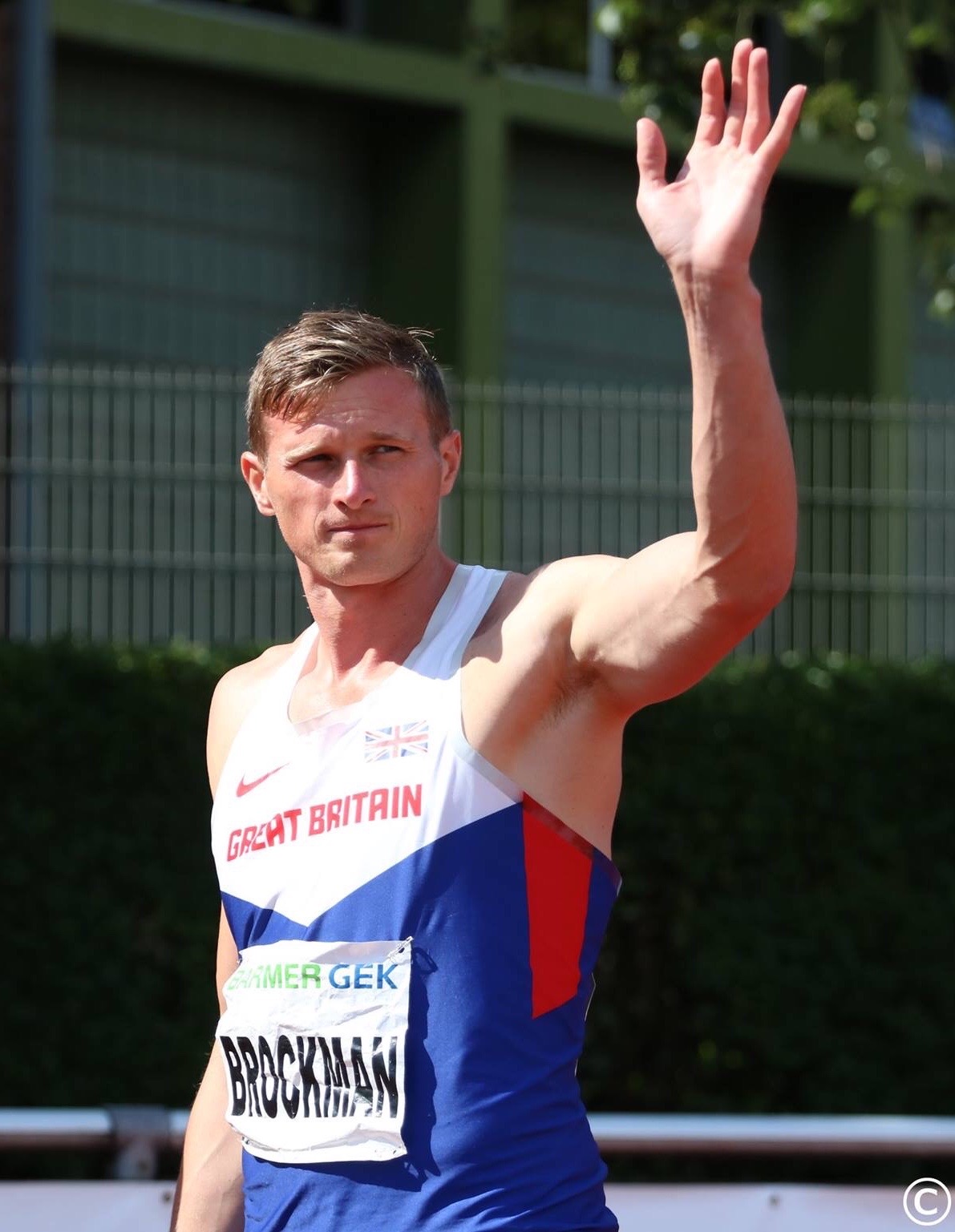
Martin Brockman
Director of Performance Pathways
Martin Brockman represented Great Britain in the decathlon for almost a decade, achieving a bronze medal at the Commonwealth Games in Dehli, 2010. On retiring from his international career, he moved to the world-leading Aspire Academy in Qatar as the Head of Athlete Development where he designed and implemented the academy athletics program from talent identification through to international athletics.
Athletics
Specialisms
Share this post


Get fresh insights and articles straight to your inbox
By subscribing you agree to our privacy policy.
Comments
You must be signed in to comment