
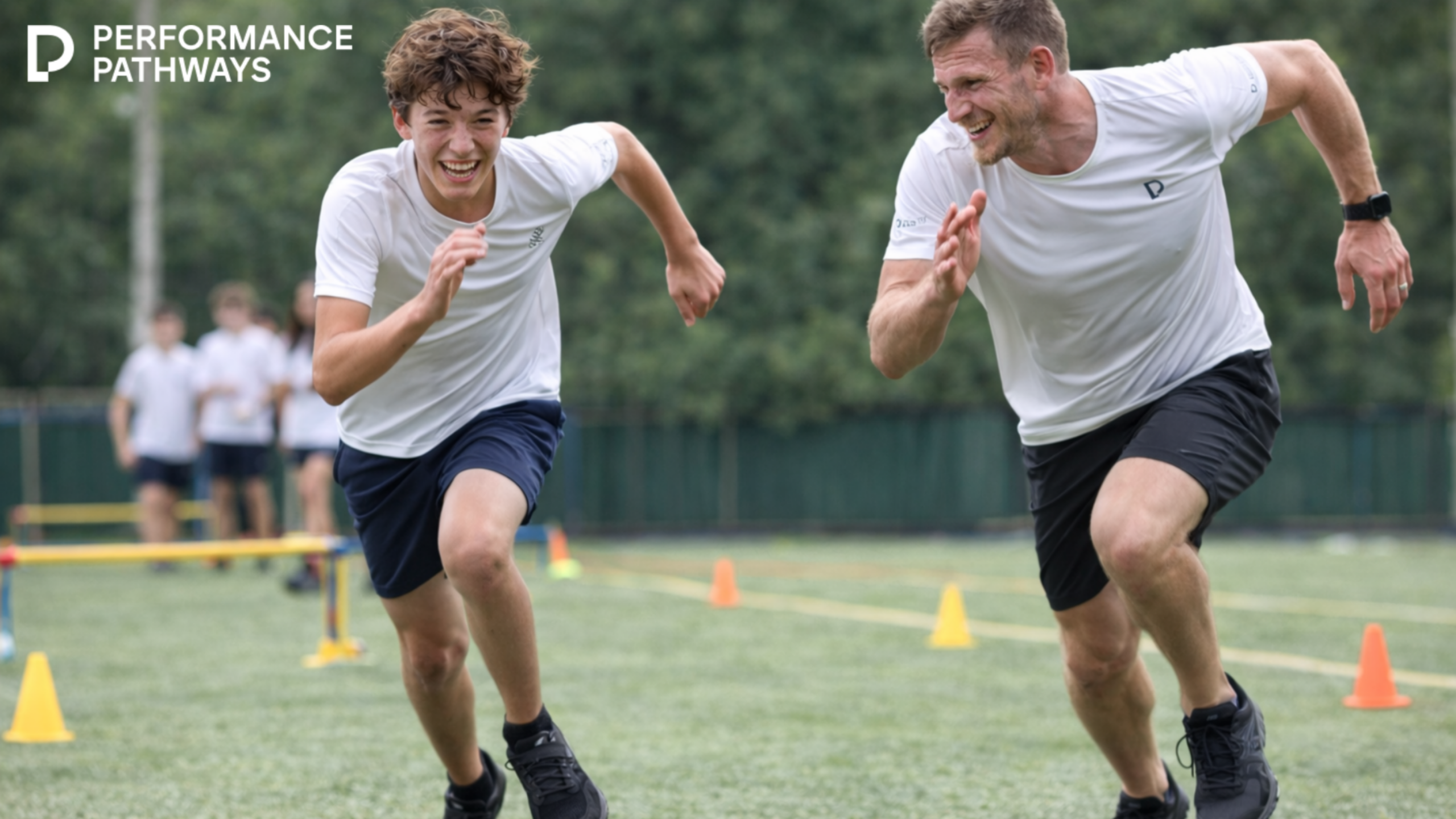
In recent years, there’s been a quiet shift in education.
𝗖𝗼𝗺𝗳𝗼𝗿𝘁 is prioritised.
𝗖𝗼𝗻𝗳𝗶𝗱𝗲𝗻𝗰𝗲 is protected.
𝗗𝗶𝗳𝗳𝗶𝗰𝘂𝗹𝘁𝘆 is often softened.
The intention is good.
We want students to feel safe.
We want them to enjoy learning.
We want PE to be inclusive and positive.
But somewhere along the way, 𝗰𝗵𝗮𝗹𝗹𝗲𝗻𝗴𝗲 has started to feel like a risk.
And that’s a problem.
Because growth doesn’t happen in comfort.
It happens at the 𝗲𝗱𝗴𝗲 of it.
𝗧𝗵𝗲 𝗪𝗵𝘆 𝗖𝗵𝗮𝗹𝗹𝗲𝗻𝗴𝗲 𝗜𝘀 𝘁𝗵𝗲 𝗘𝗻𝗴𝗶𝗻𝗲 𝗼𝗳 𝗚𝗿𝗼𝘄𝘁𝗵
Every meaningful improvement in sport and in life comes through 𝗰𝗵𝗮𝗹𝗹𝗲𝗻𝗴𝗲.
As a decathlete, I didn’t improve by staying within what felt easy.
Progress came from training sessions that stretched me physically and mentally.
From technical adjustments that felt awkward before they felt natural.
From competitions that exposed weaknesses and forced adaptation.
Without challenge, there was no development.
The same is true in PE.
When students are gently stretched, not overwhelmed but extended, they discover something powerful.
They can handle more than they thought.
𝗧𝗵𝗲 𝗣𝗿𝗼𝗯𝗹𝗲𝗺 𝗔𝘃𝗼𝗶𝗱𝗶𝗻𝗴 𝗗𝗶𝗳𝗳𝗶𝗰𝘂𝗹𝘁𝘆 𝗖𝗿𝗲𝗮𝘁𝗲𝘀 𝗙𝗿𝗮𝗴𝗶𝗹𝗶𝘁𝘆
When lessons are designed to avoid struggle, students may feel comfortable in the short term.
But they lose something important.
They don’t learn how to respond when things get hard.
And things will get hard.
In sport.
In exams.
In relationships.
In life.
If PE removes challenge in the name of inclusion, we miss one of our greatest responsibilities.
Teaching students how to stay composed under pressure.
How to persevere through frustration.
How to improve through repetition.
𝗖𝗵𝗮𝗹𝗹𝗲𝗻𝗴𝗲 𝗯𝘂𝗶𝗹𝗱𝘀 𝗿𝗲𝘀𝗶𝗹𝗶𝗲𝗻𝗰𝗲.
Avoidance builds fragility.
𝗧𝗵𝗲 𝗢𝗽𝗽𝗼𝗿𝘁𝘂𝗻𝗶𝘁𝘆 𝗗𝗲𝘀𝗶𝗴𝗻𝗶𝗻𝗴 𝗦𝘁𝗿𝗲𝘁𝗰𝗵 𝗪𝗶𝘁𝗵 𝗣𝘂𝗿𝗽𝗼𝘀𝗲
The opportunity for us as teachers is not to remove difficulty.
It is to 𝗱𝗲𝘀𝗶𝗴𝗻 𝗶𝘁 𝗰𝗮𝗿𝗲𝗳𝘂𝗹𝗹𝘆.
That might mean layering progressions so every student works just beyond their current level.
It might mean setting individual improvement targets rather than comparative outcomes.
It might mean openly discussing struggle as a normal part of learning.
When students understand that challenge is intentional, that it is there to help them grow, their relationship with difficulty changes.
They stop asking,
“Why is this hard?”
And start asking,
“What do I need to adjust?”
That shift is transformative.
𝗧𝗲𝗮𝗰𝗵𝗶𝗻𝗴 𝗦𝘁𝘂𝗱𝗲𝗻𝘁𝘀 𝘁𝗼 𝗠𝗼𝘃𝗲 𝗧𝗵𝗿𝗼𝘂𝗴𝗵 𝗗𝗶𝘀𝗰𝗼𝗺𝗳𝗼𝗿𝘁
One of the most valuable lessons PE can offer is this.
𝗗𝗶𝘀𝗰𝗼𝗺𝗳𝗼𝗿𝘁 𝗶𝘀 𝘁𝗲𝗺𝗽𝗼𝗿𝗮𝗿𝘆.
𝗚𝗿𝗼𝘄𝘁𝗵 𝗶𝘀 𝗹𝗮𝘀𝘁𝗶𝗻𝗴.
The opportunity is not just better technique or fitness.
It is 𝘀𝘁𝗿𝗼𝗻𝗴𝗲𝗿 𝘆𝗼𝘂𝗻𝗴 𝗽𝗲𝗼𝗽𝗹𝗲.
Contributors

Martin Brockman
Director of Performance Pathways
Martin Brockman represented Great Britain in the decathlon for almost a decade, achieving a bronze medal at the Commonwealth Games in Dehli, 2010. On retiring from his international career, he moved to the world-leading Aspire Academy in Qatar as the Head of Athlete Development where he designed and implemented the academy athletics program from talent identification through to international athletics.
Athletics
Specialisms
Share this post


Get fresh insights and articles straight to your inbox
By subscribing you agree to our privacy policy.
Comments
You must be signed in to comment