
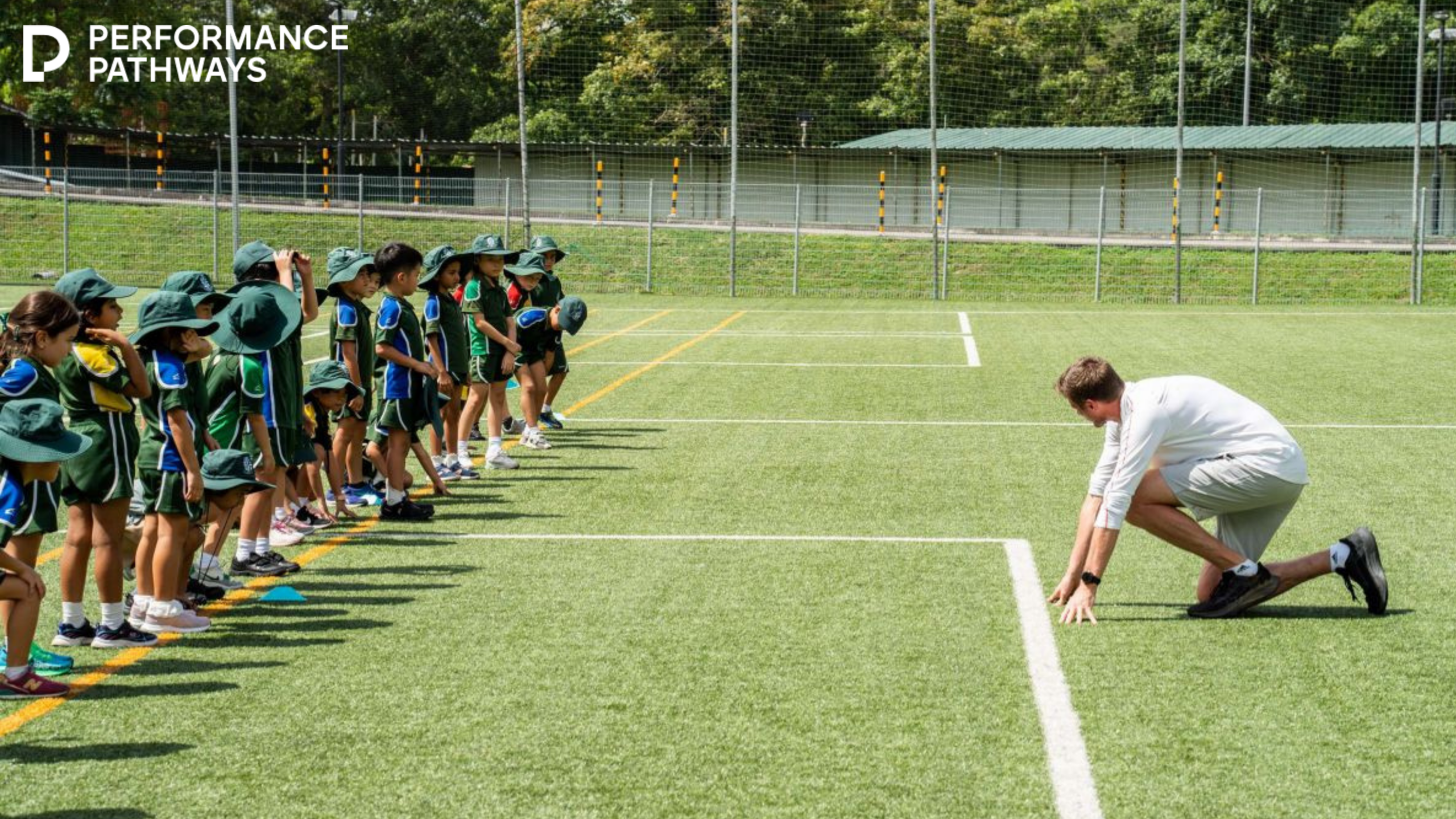
𝗪𝗵𝘆 𝗟𝗼𝗻𝗴 𝗧𝗲𝗿𝗺 𝗧𝗵𝗶𝗻𝗸𝗶𝗻𝗴 𝗕𝗲𝗮𝘁𝘀 𝗤𝘂𝗶𝗰𝗸 𝗪𝗶𝗻𝘀 𝗶𝗻 𝗣𝗘
In sport, quick wins are seductive.
A good result this weekend.
A class that looks engaged today.
A lesson that ends with a game everyone enjoys.
On the surface, these all look like success.
But anyone who has spent time in high performance sport knows a deeper truth.
The things that last are built slowly.
As a decathlete, I trained for years for moments that lasted seconds.
Progress was not measured in days or weeks, but in seasons.
The athletes who chased shortcuts rarely lasted.
The ones who committed to process always did.
The same principle applies to PE.
𝗧𝗵𝗲 𝗣𝗿𝗼𝗯𝗹𝗲𝗺 𝗪𝗶𝘁𝗵 𝗤𝘂𝗶𝗰𝗸 𝗪𝗶𝗻𝘀
In schools, the pressure for visible success is constant.
We want lessons that run smoothly.
We want students to be busy, smiling, and compliant.
We want inspectors, leaders, and parents to see activity and engagement.
So we sometimes design for what looks good now, rather than what builds something real later.
Quick wins in PE often look like this.
A fun game that fills the hour but does not move learning forward.
A unit that prioritises enjoyment but leaves no lasting skill.
A lesson that avoids challenge to keep everyone happy.
None of these are wrong.
But when they become the strategy, progress quietly stalls.
𝗪𝗵𝗮𝘁 𝗛𝗶𝗴𝗵 𝗣𝗲𝗿𝗳𝗼𝗿𝗺𝗮𝗻𝗰𝗲 𝗦𝗽𝗼𝗿𝘁 𝗧𝗲𝗮𝗰𝗵𝗲𝘀 𝗨𝘀
In the decathlon, you do not train for the 100m by racing 100m every day.
You break the skill down.
You repeat fundamentals.
You accept slow progress.
You trust the process.
The athletes who improve are not the ones who chase big sessions.
They are the ones who show up, do the basics well, and build capacity over time.
PE is no different.
Real development comes from repeating core movements until they are automatic, revisiting skills in deeper and more demanding ways, and building habits of effort, focus, and reflection.
This does not always look exciting in the short term.
But it creates students who actually improve.
𝗧𝗵𝗲 𝗛𝗶𝗱𝗱𝗲𝗻 𝗖𝗼𝘀𝘁 𝗼𝗳 𝗦𝗵𝗼𝗿𝘁 𝗧𝗲𝗿𝗺 𝗧𝗵𝗶𝗻𝗸𝗶𝗻𝗴
When PE is driven by short term success, students learn something dangerous.
That progress is supposed to be quick and easy.
When learning becomes difficult, they assume something is wrong with them.
Confidence drops.
Motivation fades.
Some decide they are just not sporty.
Long term thinking teaches a different lesson.
That improvement is earned, not gifted.
𝗪𝗵𝗮𝘁 𝗟𝗼𝗻𝗴 𝗧𝗲𝗿𝗺 𝗧𝗵𝗶𝗻𝗸𝗶𝗻𝗴 𝗟𝗼𝗼𝗸𝘀 𝗟𝗶𝗸𝗲
Long term thinking in PE does not mean boring lessons or endless drills.
It means purposeful sequencing.
It means choosing depth over novelty.
It means teaching something again, better, rather than something new, worse.
It means asking one question.
What do I want this student to be capable of in three years, not three weeks?
When that question leads planning, PE becomes a pathway, not a collection of activities.
Contributors

Martin Brockman
Director of Performance Pathways
Martin Brockman is Director of Brockman Athletics, providing teacher training and track and field teaching resources for schools around the world. Representing Great Britain in the decathlon for almost a decade, Martin achieved a bronze medal at the Commonwealth Games in Dehli, 2010. On retiring from his international career, he moved to the world-leading Aspire Academy in Qatar as the Head of Athlete Development where he designed and implemented the academy athletics program from talent identification through to international athletics.
Athletics
Specialisms
Share this post


Get fresh insights and articles straight to your inbox
By subscribing you agree to our privacy policy.
Comments
You must be signed in to comment